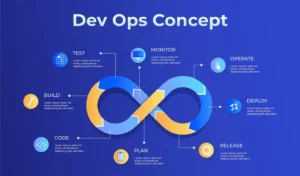
If you’re planning a career in modern IT, learning DevOps can be a smart move because it bridges development and operations, improves delivery speed, and supports reliable software releases. This outline covers the main points a blog post should include about a DevOps course and DevOps certification.
1. What Is DevOps?
DevOps is a practical culture and a set of methods that unite development and operations teams around shared goals. It encourages constant communication, automation, and faster feedback so teams can deliver software more reliably.
Instead of working in separate silos, developers and operations specialists collaborate throughout planning, testing, deployment, and monitoring. This approach reduces delays, improves quality, and helps teams respond quickly to change. A strong Devops course and Devops certification can deepen this understanding by teaching the tools and workflows that support modern delivery.
Explain how DevOps helps improve collaboration, automation, and software delivery. A well-structured Devops course gives learners hands-on practice with automation, collaboration, and deployment tools, while Devops certification can confirm those skills for employers. Together, they help professionals move from theory to application and build confidence in real project environments.
As organizations continue to adopt cloud-native systems and faster release cycles, this training can create a strong foundation for long-term career growth.
2. Why Take a DevOps Course?
- A DevOps course teaches practical skills through hands-on use of tools like version control, CI/CD, containers, and monitoring platforms. It helps learners understand modern software workflows, improve collaboration, and build job-ready confidence. For many professionals, DevOps training and certification offer a strong path to staying competitive and advancing in the field.
- A DevOps course helps learners build practical skills in automation, collaboration, version control, and continuous delivery. It provides hands-on experience with tools for testing, deployment, and monitoring, preparing them for modern IT demands. DevOps certification can further validate their knowledge and demonstrate their ability to improve efficiency, reliability, and teamwork.
3. Benefits of DevOps Certification
- A DevOps course builds practical skills in development and operations, while certification validates that expertise. Together, they improve automation, collaboration, and software delivery, helping professionals stay competitive and advance their careers.
- DevOps certification builds employer trust and practical skills in automation and deployment. Choosing the right course helps you gain job-ready knowledge, improve team collaboration, and prepare for fast-paced roles focused on reliability and continuous improvement.
4. What You Learn in a DevOps Course
- DevOps basics
- Version control with Git
- Continuous integration
- Continuous delivery and deployment
- Infrastructure as code
- Containerization with Docker
- Orchestration with Kubernetes
- Monitoring and logging
- 9Cloud platforms
- Automation and scripting
5. How to Choose the Right DevOps Certification
Step1 : Define your Career goal.
Start by defining your career goals, such as becoming a DevOps engineer, automation specialist, or cloud operations professional. Clear goals help you choose the most relevant DevOps course and certification, while focusing on the skills and tools that match your target role.
Step 2: Research Popular DevOps Certifications
Researching DevOps certifications helps you choose the right one by comparing providers, covered skills, exam formats, and alignment with your experience and career goals. Reviewing official outlines, employer preferences, and learner feedback can help identify the best DevOps course for building job-ready skills and strengthening your resume.
Step 3: Check the Skills Covered in Each Certification
A DevOps course provides practical training in tools and workflows for faster, more reliable software delivery, including version control, automation, CI/CD, containers, and monitoring. DevOps certification further validates these skills and demonstrates readiness to apply essential DevOps practices in the workplace.
Step 4: Compare the Difficulty Level and Prerequisites
Before enrolling in a DevOps course or certification, compare its difficulty and prerequisites to your current skill level. Some programs are beginner-friendly, while others require knowledge of Linux, scripting, cloud platforms, or version control. Reviewing the syllabus helps ensure the course matches your experience, avoiding content that is either too advanced or too basic.
Choosing the right level supports confidence, skill development, and certification success.
Step 5: Review the Cost and Exam Format
When choosing a DevOps course, compare costs such as tuition, study materials, retake fees, and hidden charges, and review the certification exam format to ensure it matches your budget and learning style.
Step 6: Choose the Certification That Matches Your Experience and Goals
Choose a DevOps certification based on your experience and career goals. Beginners should start with courses covering core concepts and workflows, while IT professionals may prefer advanced training in CI/CD, cloud platforms, containers, and automation. Review exam format, prerequisites, and industry recognition to find a program that is challenging but manageable and supports your target role.
Career Opportunities After Training
After completing a DevOps course, professionals can pursue roles such as DevOps engineer, automation engineer, release manager, or cloud operations specialist. These positions focus on improving deployment speed, system reliability, and team efficiency. DevOps certification can strengthen a candidate’s profile and show employers that they understand automation, CI/CD pipelines, containers, and monitoring.
With these skills, learners can move into software, cloud, and infrastructure teams, where they support faster delivery and better collaboration across the development lifecycle.
Conclusion
A DevOps course in pune and DevOps certification can be valuable steps for anyone looking to build practical IT skills and improve career opportunities. With the right training and certification path, learners can gain the knowledge needed to work effectively in modern software delivery environments.